

Music Lessons: Choosing Your First Instrument
A practical guide to finding the right instrument for your child's musical journey
Starting Your Musical Adventure
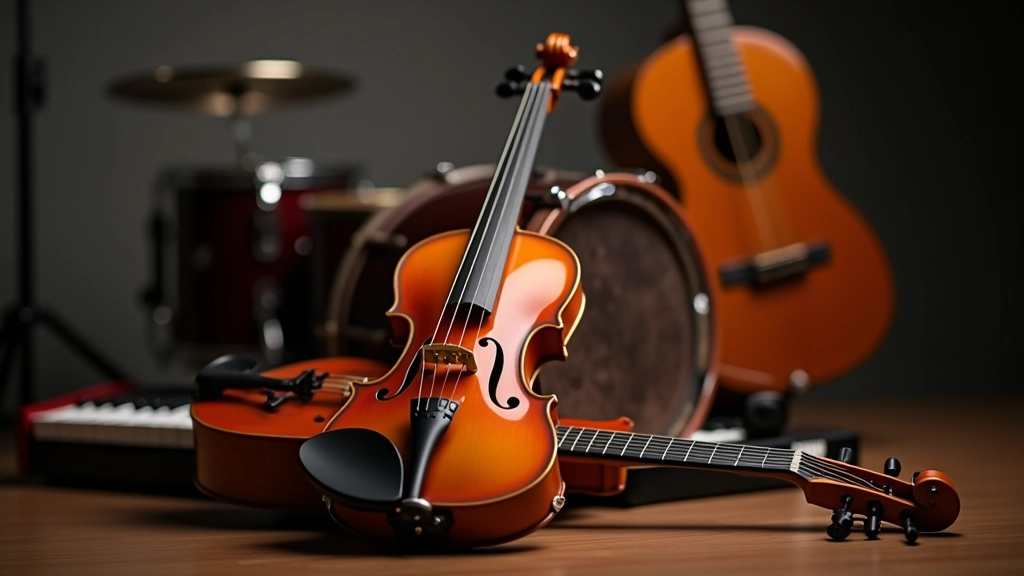
So your kid wants to learn an instrument — that's awesome. But where do you even start? There's guitar, piano, violin, drums, saxophone... the choices feel overwhelming. Here's the thing: there's no single "best" instrument. What matters is finding something that matches your child's interests, learning style, and your household situation.
We've worked with hundreds of families making this decision, and we've seen what actually works. It's not about picking what sounds cool or what their best friend plays. It's about understanding a few key factors that predict whether your child will stick with it and genuinely enjoy the process.
Key Factors to Consider
Before you buy or rent anything, think through these practical questions
What Does Your Child Like to Hear?
Does your child gravitate toward piano melodies, rock guitar, orchestral strings, or hip-hop beats? Kids are way more motivated to practice an instrument they actually want to hear themselves play. If they love indie folk music, a classical piano might not spark that same excitement. Ask them to describe music they enjoy.
Physical Capability
Hand size, arm strength, and coordination matter. Younger kids (6-8) usually do better with smaller instruments like ukulele or violin. Larger instruments like cello or full-size guitar might feel overwhelming. Talk to a teacher about what fits your child's current development stage.
Space and Noise
Drums need space and sound management. Pianos take up real room. Acoustic guitars are loud during practice. Electric guitars need an amp. Violins start out squeaky before they sound good. Be honest about your living situation. Apartments? Consider quieter instruments or electronic options.
Budget Reality
Rent before you buy. A beginner violin rental is $20-30/month. A cheap new guitar might be $100-200 and feel terrible. Keyboard rentals around $15-25/month. Drums are pricier. Renting lets your kid try it without a huge commitment. Most shops credit rental payments toward eventual purchase.
Popular Instruments for Beginners
Real talk about what works for kids just starting out
Piano / Keyboard
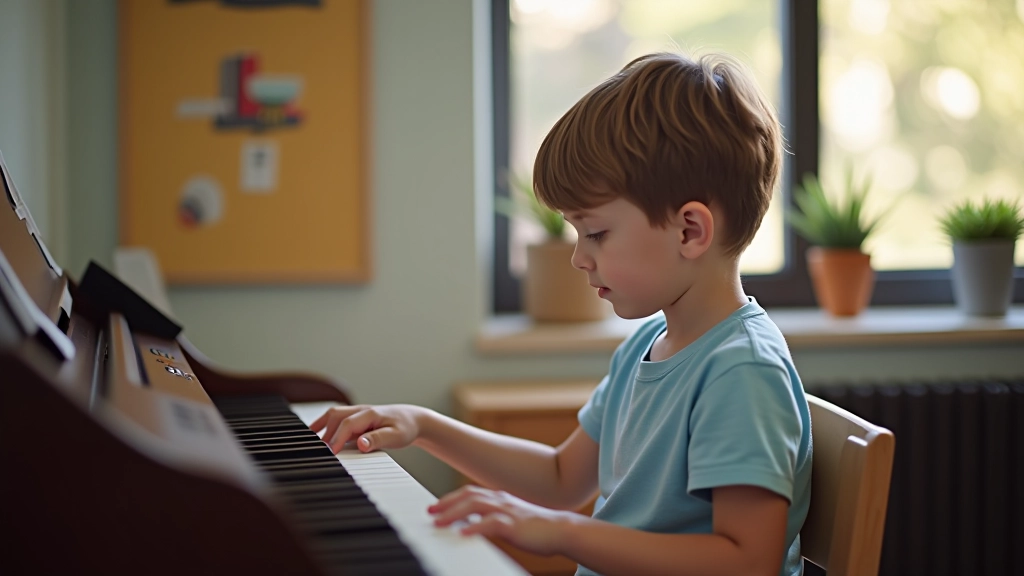
Piano's honestly one of the easiest instruments to start learning. You press a key, you hear a note — immediate feedback. Kids can play simple melodies within weeks. The challenge? Finding space and dealing with the initial investment. A decent weighted 88-key keyboard runs $300-500. But here's why it works: you can see music theory happening right in front of you. One key = one note, no ambiguity.
Ages 5+
Rent: $15-25/month
Quiet option: digital
Guitar
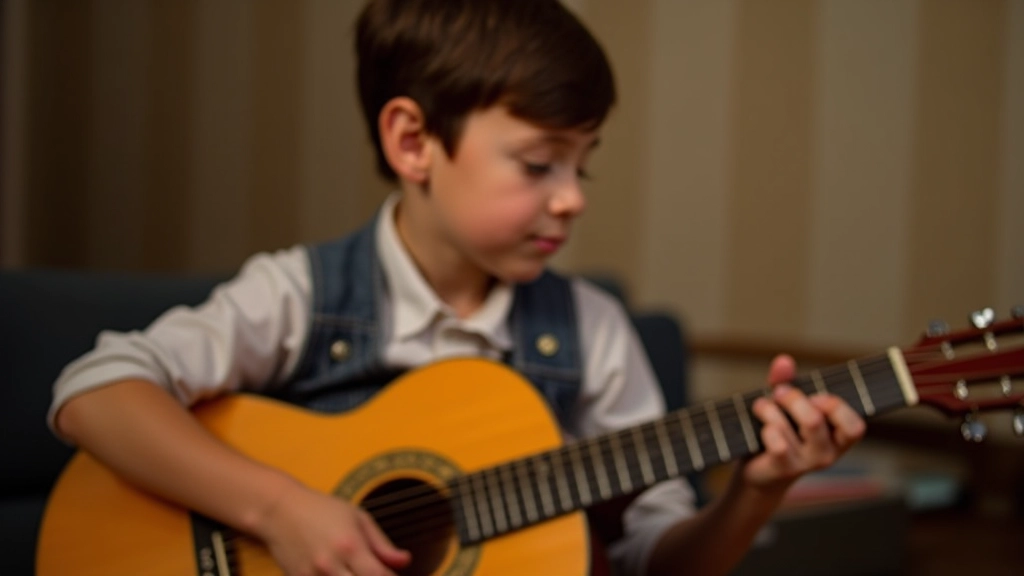
Guitars are portable, relatively affordable, and kids can play recognizable songs pretty quickly. Acoustic guitar teaches finger strength — kids will develop calluses on their fingertips, but that's actually a sign of progress. Electric guitars are slightly easier on the fingers because the strings are thinner. The downside? Tuning can be tricky at first, and bad technique habits form fast.
Ages 6+
Rent: $20-35/month
Skills faster: 2-3 months
Violin / String Instruments
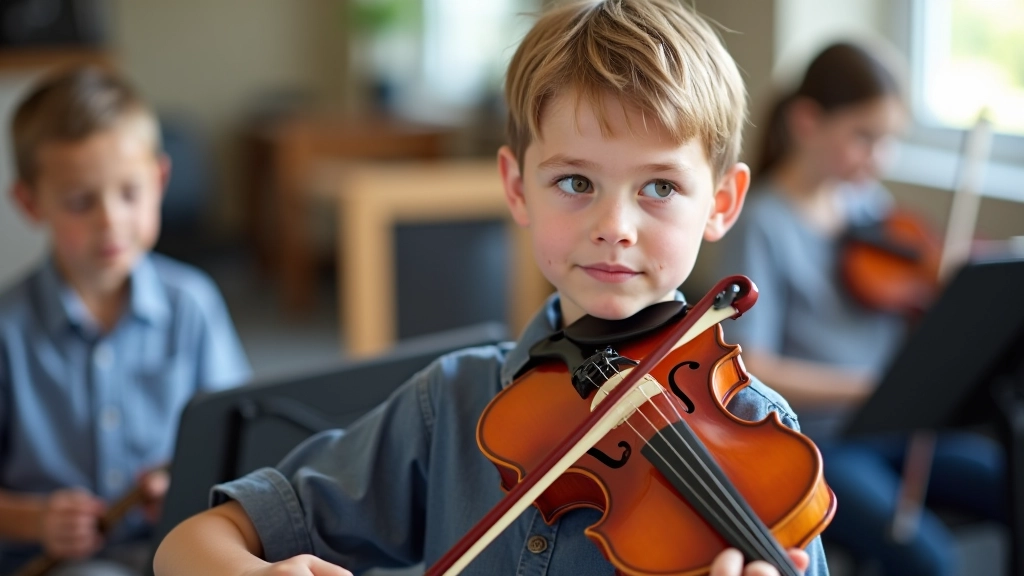
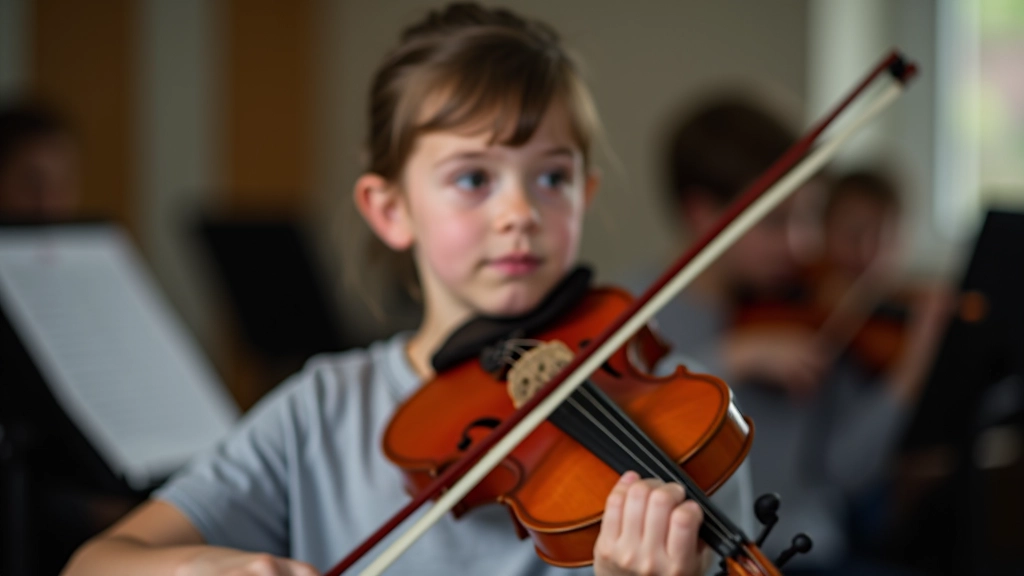
Violin requires patience. The first 6-8 weeks will sound rough — that's completely normal and expected. But here's the payoff: kids who stick with it develop incredible ear training and discipline. Violins come in different sizes (1/4, 1/2, 3/4, full) depending on your child's age and arm length. A teacher can size your child properly. Renting is smart here because kids grow.
Ages 4+
Rent: $25-40/month
Patience needed: 2-3 months
Drums
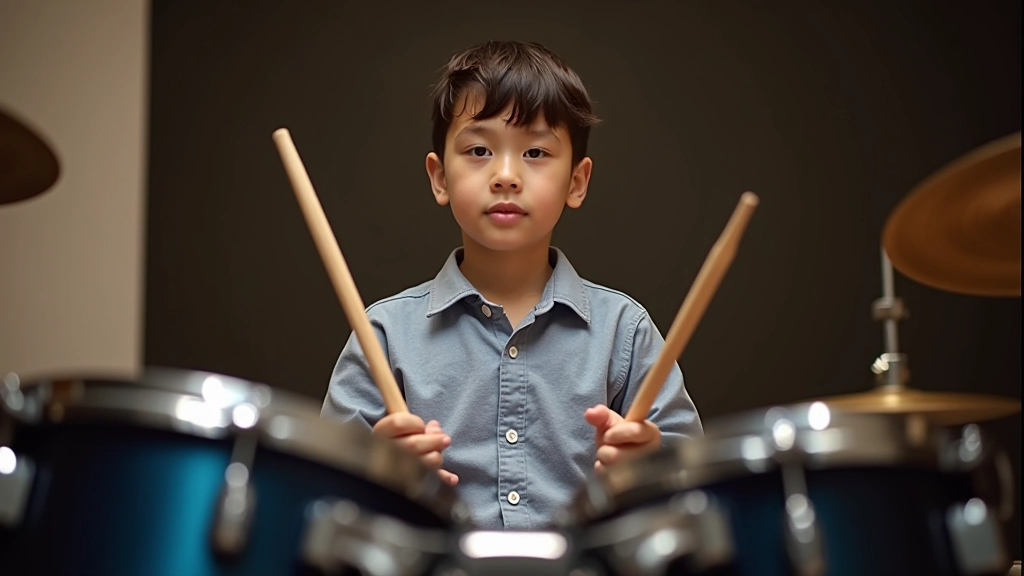
Kids who love rhythm gravitate toward drums. It's high energy, immediate gratification, and genuinely fun. The trade-off? Noise and space requirements. You'll need somewhere to practice — a garage, basement, or studio. Electronic drums solve the noise problem ($400-800 for a beginner kit). Acoustic drums are louder but give better feedback on technique.
Ages 7+
Rent: $40-60/month
Space needed: important
Your Step-by-Step Decision Process
How to actually make this decision without second-guessing yourself
01
Ask Your Kid (But Listen)
Don't just ask "what instrument do you want?" Ask follow-up questions. What songs do they want to play? Do they like things that are fast and loud or slow and pretty? Do they want to play in a band someday or solo? Their answers point toward the right choice.
02
Find a Teacher First
Before buying anything, find a qualified teacher in your area. They'll evaluate your child's interests and capabilities. Many teachers work with multiple instruments and can make a solid recommendation. A good teacher makes the difference between "my kid quit after 3 weeks" and "my kid actually loves this."
03
Rent, Don't Buy
Rental instruments from music shops are maintained properly and you're not locked into a purchase. Most rentals are month-to-month. If it's not working out, you switch. If your child loves it after 6-12 months, you're confident enough to buy something nicer.
04
Set Realistic Practice Expectations
Most teachers recommend 15-30 minutes daily for beginners, 3-5 days per week. That's achievable for most families. Progress takes time — usually 2-3 months before kids play recognizable melodies. Set up a practice space, establish a routine, and stick with it through the "rough early phase."
Practical Tips for Success
Start Young But Don't Rush
Age 5-6 is realistic for most instruments. Younger kids can start if they're genuinely interested — not because you want them to. Forced lessons lead to resentment fast.
Quality Matters More Than Brand
A $150 decent guitar beats a $50 trash guitar every time. A terrible-sounding instrument kills motivation. Your teacher can recommend specific brands worth the investment.
Be Consistent, Not Intense
Fifteen minutes every day beats two hours on Saturday. Regular short sessions build muscle memory and keep motivation high. Sporadic practice frustrates kids.
Celebrate Small Wins
When your kid plays their first full song, even if it's simple, acknowledge it. Recording videos to share with family feels amazing to kids. These moments matter.
Don't Assume It's Boring
If your kid hits a plateau, it's usually a phase. Talk to the teacher. Sometimes switching to songs they actually want to play reignites enthusiasm.
Your Attitude Sets the Tone
If you're enthusiastic and supportive, they're more likely to push through rough patches. If you're skeptical or impatient, they pick up on it immediately.
Making the Right Choice
Here's what we've learned: there's no perfect instrument, only the right one for your child at this moment. What works for your kid's best friend might not work for yours, and that's totally fine.
The best instrument is the one your child will actually practice. That means choosing something they genuinely want to hear themselves play, finding a good teacher, and committing to consistent practice. Most kids who quit did so because they felt frustrated or weren't making progress — not because the instrument itself was wrong.
Take your time with this decision. Talk to teachers. Let your child try different instruments if possible. Rent before you buy. Set realistic expectations about the learning timeline. And remember: learning an instrument isn't just about playing music. It's about discipline, creativity, patience, and the confidence that comes from mastering something difficult.
About This Guide
This article provides general educational information about choosing a first musical instrument for beginners. Every child is unique, and circumstances vary. We recommend consulting with qualified music teachers in your area who can evaluate your child's individual capabilities, interests, and learning style. Musical instruction outcomes depend on many factors including student motivation, consistent practice, quality instruction, and family support. This guide is informational and shouldn't replace personalized advice from music education professionals.