
Sports Academies: Serious Training for Young Athletes
Understanding structured coaching, progression pathways, and what real athletic development looks like for kids ages 8-18
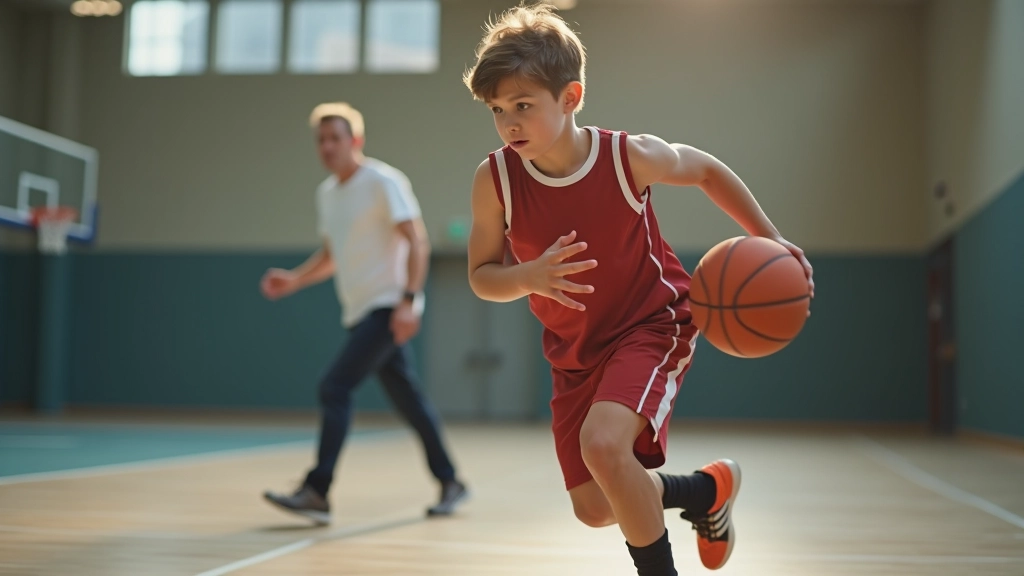
What Actually Happens at a Sports Academy?
It's not just a place to keep kids active. Real sports academies are structured training environments where coaches teach proper technique, build game understanding, and develop athletic confidence. You're not paying for recreation — you're investing in skill progression with qualified instructors who've played the sport themselves.
Most academies focus on one sport (basketball, handball, volleyball, soccer) and organize training by age and skill level. Sessions combine technical drills, conditioning, tactical understanding, and game situations. Kids progress through levels as they improve, not by age alone. This means a motivated 10-year-old might train with 12-year-olds if they're at the same skill level.
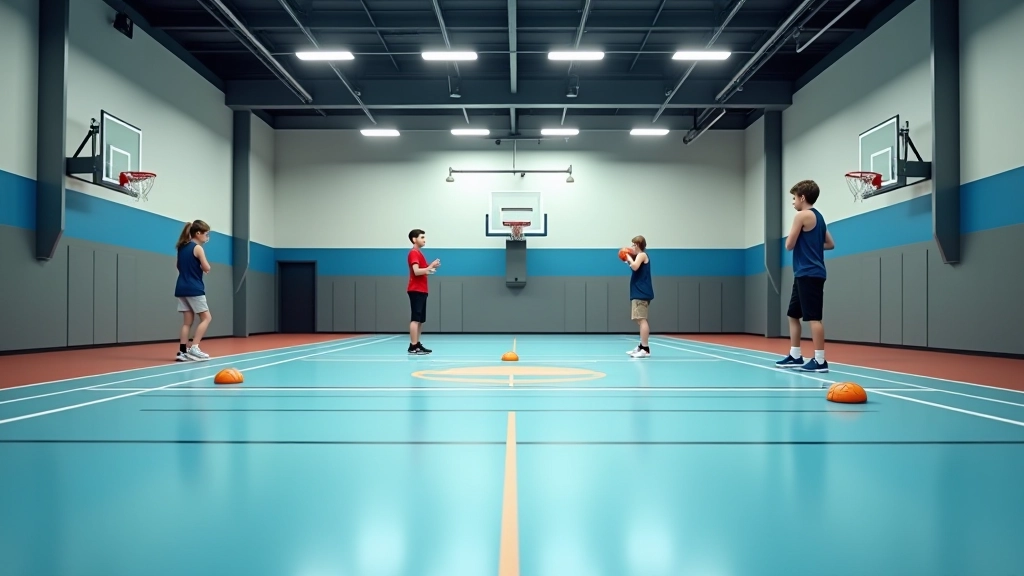
Training Structure by Age Group
How progression works and what you'll notice your child learning
Ages 8-10: Foundations
Focus on basic skills without pressure. Kids learn footwork, grip, body positioning, and ball control. Drills are short (5-10 minutes each) because attention spans are still developing. Games are simplified — maybe 3v3 or 4v4 to keep everyone involved. Coaches emphasize fun and confidence-building.
Ages 11-13: Building Complexity
Technical skills get refined. Kids now learn game tactics, positioning, and decision-making. Drills last longer (10-15 minutes). They're playing full-sided games with actual rules. Physical conditioning starts — not intense, but they'll notice improved endurance. This is when kids either really enjoy the sport or realize it's not for them.
Ages 14-16: Competition Focus
Training becomes serious. Kids learn advanced tactics, game reading, and mental toughness. Sessions include strength work, agility drills, and game analysis. Coaches might video-record games to show what went right and what needs work. Some academies have inter-academy tournaments at this level.
Ages 17-18: Advanced / Competitive
Preparation for club teams or school sports. Training mirrors what they'll face in competitive leagues. Strength and conditioning become important. Some athletes are thinking about sports scholarships or joining competitive clubs. Coaching is highly individualized.
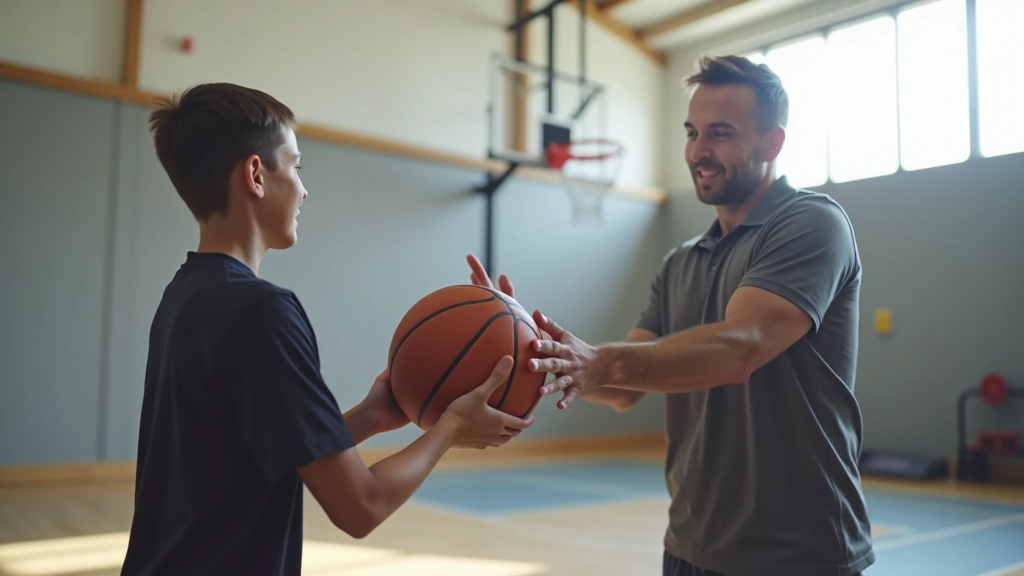
What Good Coaching Looks Like
Key elements that separate real academies from general sports clubs
Technical Progression
Coaches teach the WHY behind techniques, not just the HOW. You'll hear explanations like "Keep your elbow in so the ball doesn't travel wide" instead of just "Do this drill." Kids understand proper form before building speed.
Individual Feedback
Good coaches notice when someone's struggling with a specific movement and adjust on the spot. They might spend 2 minutes with one player while others do partner drills. It's not ignoring the group — it's targeted help where needed.
Game Understanding
Beyond drills, coaches teach reading the game. In basketball, that means knowing when to pass vs. shoot. In volleyball, understanding court positioning and when to be aggressive. Kids learn the sport, not just mechanics.
Confidence Building
Real coaches celebrate improvement, not just success. They'll praise a kid for attempting a difficult drill even if they failed. The goal is building athletes who aren't afraid to try and learn from mistakes.
Progress Tracking
Good academies track improvement. This might be formal (speed tests, accuracy percentages) or informal (coaches noting what's better than last month). You should see measurable progress every 8-12 weeks.
Group Dynamics
Coaches manage the group so everyone feels included. They're not just teaching the top athlete — they're making sure the beginner isn't ignored and the advanced player stays challenged. That's a skilled coach.
What Parents Should Know
Real talk about what to expect and how to support your child's training
Progress isn't always visible week-to-week
You might not see dramatic improvement in 2-3 weeks. Real skill development takes 6-8 weeks minimum. Your kid might come home frustrated after a session where they struggled with something new — that's actually where learning happens. Don't pull them out after a tough week.
Not every kid becomes competitive
And that's fine. Some kids train at academies because they enjoy the sport and want to improve, not because they're aiming for school teams or clubs. That's a completely valid reason. The goal is developing skill AND confidence, regardless of competitive level.
Injuries happen — but good academies minimize risk
Proper warm-ups, correct technique, and age-appropriate conditioning reduce injury risk significantly. If your child keeps getting hurt at an academy, that's a red flag. Good coaching prevents injuries by teaching proper form from day one.
Communication matters
Good academies will tell you how your child's doing — what they're improving at, what they're struggling with, what they need to work on. You shouldn't have to ask. Coaches should reach out periodically with updates.
Your role is support, not coaching
Don't try to coach your kid after academy sessions. If the academy coach taught something specific, let that be the instruction. Parents who constantly critique their child's technique create pressure and confusion. Be supportive. Ask how they felt about the session. That's enough.
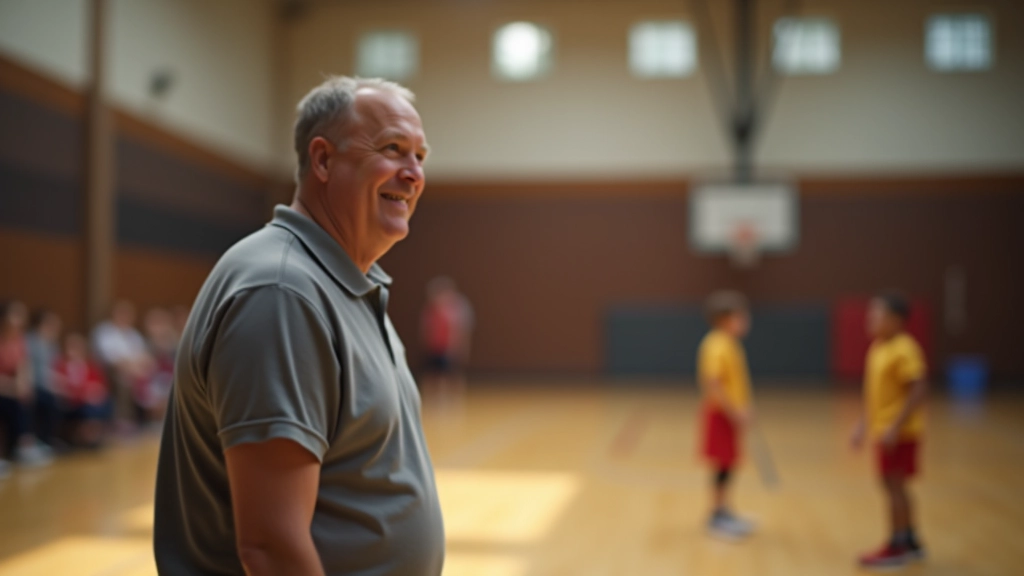
Evaluating a Sports Academy: Questions to Ask
Who's coaching?
Look for coaches who've played the sport at decent levels and have coaching certification. They don't need to be former professionals, but they should have real experience and ongoing education.
What's the group size?
Groups of 8-12 kids per coach are ideal. Much larger and individual feedback disappears. Much smaller and there's less peer learning and competition.
How are kids grouped?
By skill level or age? Skill-based grouping is better because kids train with people at their level. A beginner learns more from other beginners than from advanced players.
What happens in a typical session?
Ask for details. Good academies have structure: warm-up, technical work, drills, game situations, cool-down. Not just "we play the whole time."
How do they handle different skill levels in one group?
Do they have modified drills? Challenges for advanced kids? It's a sign of good coaching if they're not running everyone through identical exercises.
Can you watch a session?
Legitimate academies let parents observe. It's the best way to see actual coaching quality and how your child responds to the environment.
Pro tip: The best indicator of academy quality is how kids talk about it. If they're excited to go, if they're learning specific techniques, if they're making friends — you've found a good one. If they dread sessions or can't describe what they're working on, keep looking.
Real Experiences
"My daughter wasn't into sports at all. After about 6 weeks at the academy, she actually asked if she could come twice a week instead of once. She's learned real technique and plays small games against other kids her skill level. Honestly didn't think she'd stick with it."
— Jennifer, parent"The coaches don't just run drills. They explain WHY we're doing each thing — like why footwork matters before you even touch the ball. I'm actually getting better, not just sweating a lot. Made some friends too which I wasn't expecting."
— Marcus, 13"We tried three different academies before finding the right fit. The first one was too expensive for what it offered. The second one was just recreational, not structured training. This one? It's exactly what we were looking for. Kids are grouped by level, coaches are experienced, and you can see real improvement."
— David, parentGetting Started
Sports academies aren't for everyone, and that's okay. But if your child wants to get genuinely better at a sport — not just stay active, but actually develop real skills — an academy is worth exploring. The right one will have qualified coaches, clear progression, and an environment where your kid wants to come back week after week.
Start by asking friends for recommendations. Visit a few sessions before committing. Watch how coaches interact with kids, how they handle mistakes, and whether your child seems engaged. Trust your gut. A good academy feels different from the moment you walk in.
Most academies offer trial sessions or introductory weeks. Use that time to see if it's a fit. Your kid might find a sport they love. Or they might discover they prefer a different activity. Either way, you'll know because you've given it a real try with solid instruction behind it.


About This Article
This article is educational and informational only. It's designed to help parents understand how sports academies work and what to look for when evaluating programs for their children. Every academy is different — coaching quality, facility standards, and program structures vary significantly. Before enrolling your child, we recommend visiting the facility, observing a session, and speaking directly with coaches about their approach and experience. Your child's safety and positive experience should always be the top priority. This article does not constitute professional advice, and individual circumstances vary widely.